Few things grab a hold of us like Fear—Fear with a capital F. It makes us scream in a movie theater, grumble when we see a political ad and worry when we read a headline. We can’t always keep it in check, but one thing that always beats Fear is Time, because eventually things play out and we see whether those fears were justified.
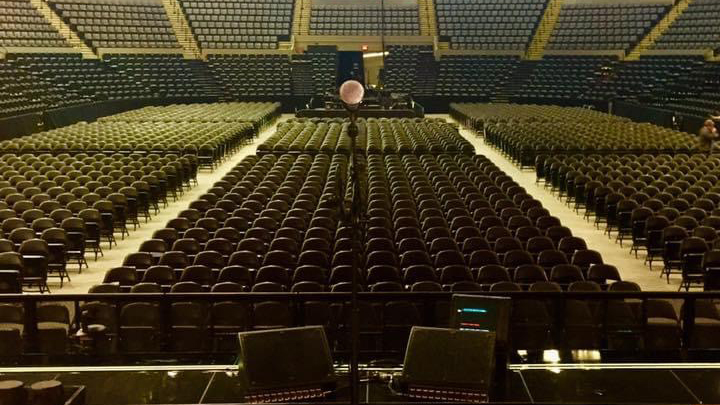
For instance, throughout the spring, media pundits sounded off on “Blue Dot Fever”—a catchy term they came up with for “summer concert tours not selling.” Pointing out that you could see how a tour was doing based on the number of open seats in a venue seating chart—the blue dots—the media rattled on about how this year’s summer concert season was about to flop.
The reasons given were plentiful, too—in addition to our current bout of inflation, they said ticket prices were too high; stadium spectacles were sucking all the money out of the market; people were still paying off going to last year’s stadium spectacles; and so on.
It was pretty fearful stuff: If the concert biz was on the brink of failure, what would that mean for the touring sound industry?
All those arguments have been around for decades, and the industry’s retort has always been the same: “Live sound is the most recession-proof industry there is. Whether times are good or bad, people need to be entertained.”
I’ve heard that from nearly every sound company executive I’ve interviewed over the years; yeah, sometimes it felt like they were telling it to themselves more than me, but it’s a fairly accurate rule of thumb. When times are good, music fans spend the money on big tours and events; when times are tough, folks cut back to varying degrees, but they still do something, even if it’s a free show at the park—which is still business for regional and local audio providers. And to be fair, there’s always going to be “blue dots.” Every year has a few tours that don’t sell and get canceled for murky “health reasons” and the like.
• Mix Live Blog: A Different Kind of Pollution
Of course, after all that media handwringing, the summer concert season wasn’t a flop; in fact, entertainment in general was a hit across the board. If there was any fear involved, it was FOMO: Fear Of Missing Out.
Live Nation sold over 143 million tickets during the first half of the year, up 14 million over the same time in 2025, with concert revenue jumping up 8.32% to $6.44 billion during the second quarter—the same time period when all those “Blue Dot Fever” articles were hitting print. Live Nation CEO Michael Rapino explained to The Hollywood Reporter, “In a world of endless screens and AI-generated everything, the one thing that can’t be copied is ‘being there.’”
That might be the case, but other parts of the entertainment business will certainly try. AMC Theatres announced in May that it’s launching Arena One, a new business livestreaming one-off interactive concerts to 300 of its cinemas—an idea likely inspired by the $261 million box-office success of Taylor Swift’s Eras concert film a few years back.
That’s one way to get people back into movie theaters, but they’re already going there anyway, as 2026 is on track to be the highest-grossing post-pandemic year yet. Overall box office is up 15 percent so far, with the industry grossing $6.2 billion through August, according to Reuters. In particular, younger generations are headed to the cinema; a Fandango report says Gen Z goes seven times a year on average, the most of any age group.
• Discover more pro audio news—get a free Mix SmartBrief subscription!
Genre films are helping power that box office boom, particularly horror, which has done spectacularly well. Obsession and Backrooms, both low-budget pictures aimed at Gen Z, raked in around $400 million each, but even long-running franchises are making bank—a situation that bodes well for theaters after a few patchy years.
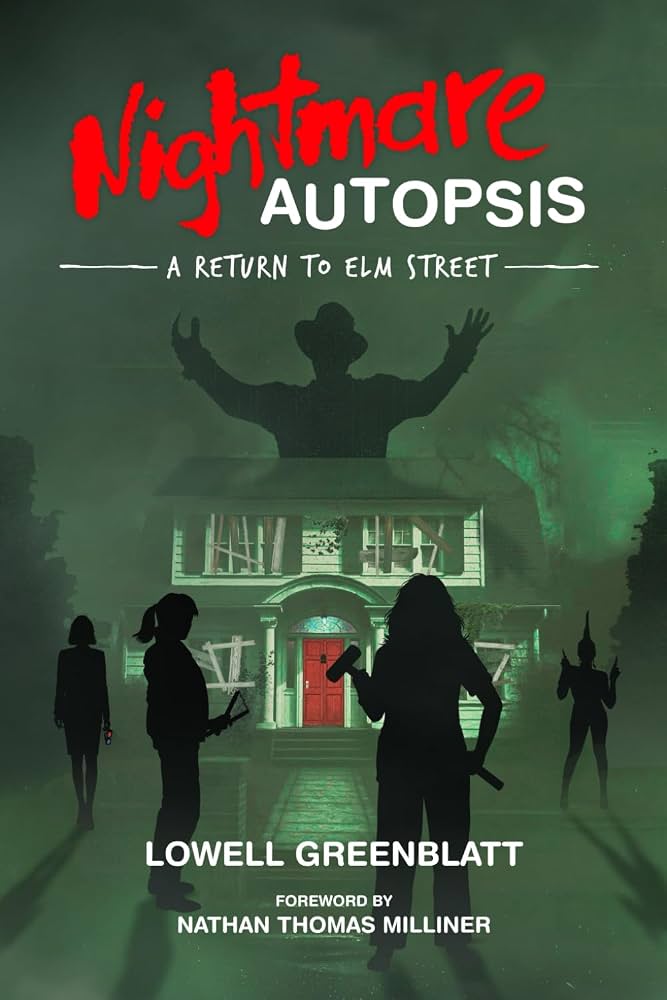
“People have been predicting the death of movie theaters forever, especially after Covid, but the theatrical experience will never go away,” Lowell Greenblatt told me. A Rondo-nominated author for Nightmare Autopsis, a book-length analysis of the Freddy Krueger films, he’s long covered horror cinema for Macabre Daily. “Experiencing a horror movie with a crowd, there’s nothing like it. I went to an 11 a.m. screening of Evil Dead Burn, and even at that hour, people were screaming, ‘Oh my God!’ Everyone wants to be part of a big swell where you say, ‘Can you believe that just happened?’”
Audio has always been a crucial part of horror flicks, providing tension, heightening dread and pumping up jump scares. “In something like Halloween, the music is a character,” added Greenblatt. “Sound is always going to be important to horror; whether it’s diegetic, non-diegetic or score, it’s vital.”
• The Sound Company at Ground Zero on 9/11
Film sound editors, mixers, Foley artists and others working on those films will surely agree—and you can hear from them yourself later this month at our annual Mix Sound for Film & Television event on Saturday, September 26, at Sony Pictures Studios in Culver City, Calif. There’s a big, broad agenda planned, covering all sorts of films, production methods, product demos, studio tours, networking opportunities and more, but the day’s final panel will take a special look at “The Sound of Horror,” as top sound supervisors and mixers share how they expertly tap into our collective primal fears. If you really need something to be fearful of, be afraid of missing it.
—Clive Young, Co-Editor