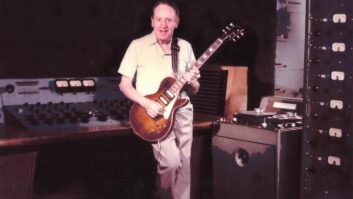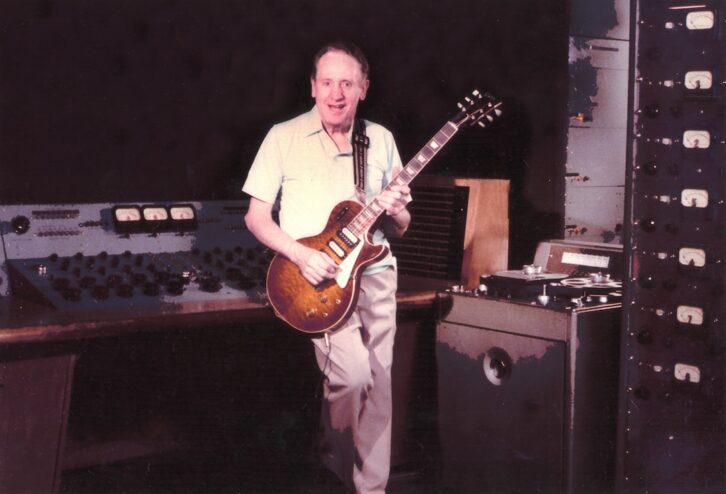
Mahwah, NJ (August 26, 2026)—Gene Paul is describing the demolition of the property where his father, guitarist, engineer and inventor Les Paul, had his studio and workshop, as “a squandered opportunity.”
In a recent Facebook post, Gene Paul acknowledged that control of his father’s estate, money, royalties and legacy all remained with the Les Paul Foundation following his death. The surviving Paul family members therefore had no control over the house in Mahwah, N.J., where Les Paul built his historic and innovative recording studio and where he and his wife, singer Mary Ford, also produced their TV show in the 1950s.
The 6,300-square-foot house on a seven-acre lot in Mahwah’s Deerhaven neighborhood was sold in late July to private developers for a reported $990,000. The Les Paul Advocacy Group, individuals with ties to the guitarist who had been advocating for the property to be spared, made a last-ditch effort to preserve handwritten notes and work benches, according to Guitar Player magazine. The group reported that some of the rooms were water damaged and showed years of apparent neglect.
Gene Paul believes that the family should have been given advance notice of the sale and that more should have been done to recognize the house for its historic significance. In his post, he wrote, “I feel … something could have been done to honor and celebrate Les’ home, the recording studio, his laboratory and workshop—the place where his dreams became a reality. This was a squandered opportunity to remember my father and his contributions to the world of music.”
• Discover more great stories—get a free Mix SmartBrief subscription!
In response, Michael Braunstein, executive director, Les Paul Foundation, wrote in a statement, “While the loss of Les Paul’s former home is understandably emotional for those who associate the property with an important chapter of Les’ life and work, it is important to distinguish the loss of the structure from the preservation of Les Paul’s artistic and technical legacy.”
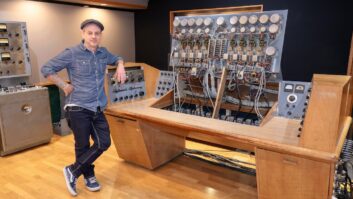
Braunstein went on to note that, despite Gene Paul’s concerns, “A significant collection of Les’ original recording equipment—including his original Monster Console, original three-track and eight-track machines, and other equipment he used at the home over many years—has been preserved, meticulously restored, and is actively in use at the Les Paul Recording Studio, 6050 W. Sunset Boulevard, Hollywood, California.”