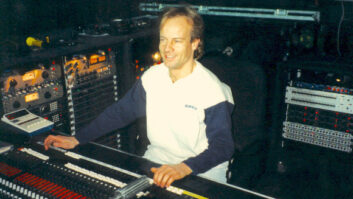
New York, NY (October 27, 2026)—Veteran recording engineer Phil McDonald, who won a Grammy Award for his work on The Beatles’ classic album Abbey Road, has died. Abbey Road Studios announced his passing; no cause was given.
Born in 1946, McDonald began working at what would become Abbey Road Studios at the age of 18. While he began working there in the facility’s tape library, he graduated to the role of tape op the following year and was soon pressed into service working on Beatles records as Second Engineer (i.e. tape op / tea boy).
According to The Beatles Recording Sessions, McDonald’s first work for the band took place on April 18, 1965, aiding producer George Martin and engineer Norman Smith as they knocked out mono remixes of “Help” for the film of the same name. The young tape op soon became involved in actual Beatles sessions, however, starting with the recording of “Yesterday” on June 14, 1965.
• Discover more great stories—get a free Mix SmartBrief subscription!
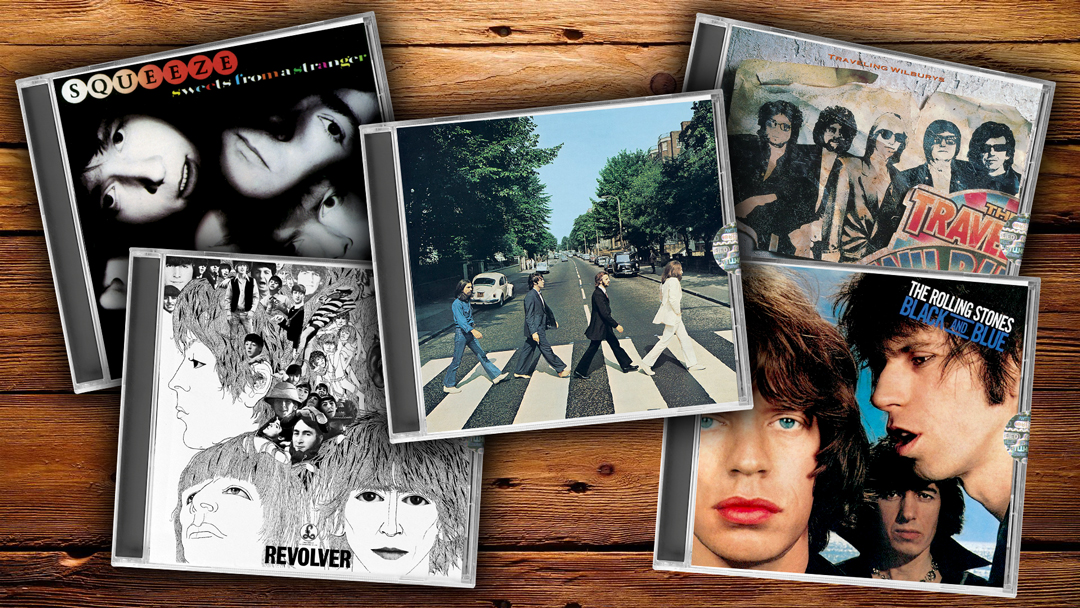
The session was the first of many with the group; according to Recording The Beatles, McDonald ran the tape machine for 20 percent of The Beatles’ entire EMI output over the years, single handedly capturing nearly all of Revolver, as well as sessions for “Strawberry Fields Forever” and “Penny Lane.”
• Classic Tracks: The Beatles’ “Strawberry Fields Forever”
While McDonald was involved in the recording of Sgt. Pepper’s Lonely Hearts Club Band and The White Album, in 1969, he made the move to Balance Engineer—a session’s main engineer—and recorded nearly every session of Abbey Road either solo or in collaboration with legendary engineer Geoff Emerick. The hard work paid off when he took home a Grammy Award for Best Engineered Recording for the album.
• Former Eminem Engineer Pleads Guilty to Track Leaks
After the Beatles broke up, McDonald moved to their record imprint, Apple Records, in 1971, taking a role as Senior Balance Engineer. In the years that followed, he worked with all four bandmembers on multiple solo albums, including George Harrison’s All Things Must Pass; John Lennon’s Imagine; Paul McCartney’s McCartney; and Ringo Starr’s Sentimental Journey.
In addition to the Fab Four, across his career, McDonald engineered the Rolling Stones, Argent, Eric Clapton, Syd Barrett, Spooky Tooth, Traveling Wilburys, Roy Orbison, Wings, Squeeze, Deep Purple, Ravi Shankar, Nilsson, Nicky Hopkins, Splinter, Stealers Wheel, Roger Daltrey, Fanny and many more.
He is remembered by his wife, Sandra.