Earlier this week, a Los Angeles judge granted permission for Ariana Grande to subpoena information that would help reveal the identities of anonymous hackers who allegedly stole and leaked material from her recording sessions and music videos. The incident dates back to 2023, when hackers gained access to files containing 45 of Grande’s unreleased songs and leaked them.
Unfortunately, Grande is not alone in suffering such attacks. Last year, a cyberhacker by the name of Skylar Dalziel stole unreleased music from Coldplay, Shawn Mendes and Bebe Rexha, then sold the tracks on the dark web to the tune of approximately $55,000. And, during Beyoncé’s Cowboy Carter tour, hard drives containing unreleased music, staging plans and other proprietary info were stolen from a vehicle in a parking lot in Atlanta. The thief was later caught and sentenced to prison. Why anyone would leave such items in a car parked in a public lot is a discussion for another day.
Years ago, when I worked my first recording studio job fresh out of school, I recall that the studio owner had clear ideas regarding what we could and could not copy or share, and to whom. Obviously, anything that was being recorded for a label was not to be copied or shared, and even when it came to local bands doing demos, we kept a lid on it out of respect for those hard working up-and-comers (making copies of The Tube Bar Tape, however, was another story entirely…).
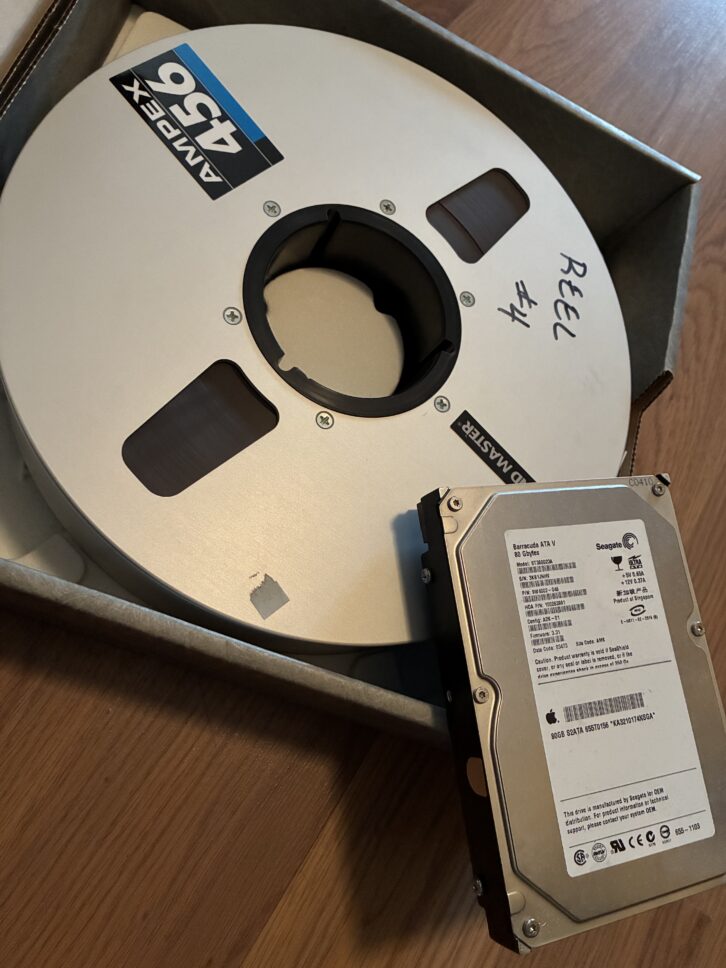
In those days, “file sharing” was considerably more difficult because making a copy of an analog recording actually required making a copy. No one I knew had two 2-inch tape machines at their disposal for copying a master tape, nor even a couple of 2-track mixdown machines—and if they did, they probably wouldn’t have needed to record at our studio in the first place. Even transferring a rough mix from 2-track tape to a cassette required making the copy. How analog!
As audio recording progressed into the digital age, record labels rightfully sounded the alarm, though sometimes they sounded the wrong alarm. Remember SCMS (Serial Copy Management System)? I couldn’t even make DAT safety copies of my own mixes! Grrrrrr. What fun!
• Discover more great stories—get a free Mix SmartBrief subscription!
We now have the ability to make copies of digital audio files almost instantly and transport them clandestinely in our pockets. This is a double-edged sword as well as an occupational hazard of creating music in a digital world. When making a copy is as easy as click-and-drag, securing those files becomes infinitely more difficult—and backing up files to the cloud is not 100% secure.
Maybe that’s why some artists are so fastidious about wrangling the hard drives that contain their works-in-progress music files (we’ve heard more than one story about an artist’s management rep departing a recording session with hard drives containing master session documents in a hand-cuffed briefcase!). And unfortunately, maintaining the security of digital copies of one’s intellectual property directly opposes my tenet… if you don’t have it in two places, you don’t have it at all.
Maybe hiding a copy of that new album under Grandma’s bed isn’t such a bad idea…