New York, NY (September 29, 2026)—Over the past decade, under the leadership of Daniel and Andreas Sennheiser, the Sennheiser/Neumann company has been as active, dynamic and forward-thinking as any group in pro audio—entering new product categories, introducing a raft of new products, developing a complete end-to-end production workflow—while at the same time embracing its nearly century-old legacy of quality and innovation.
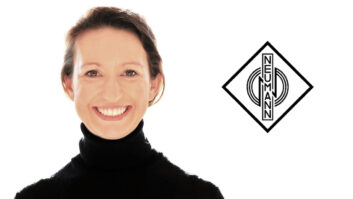
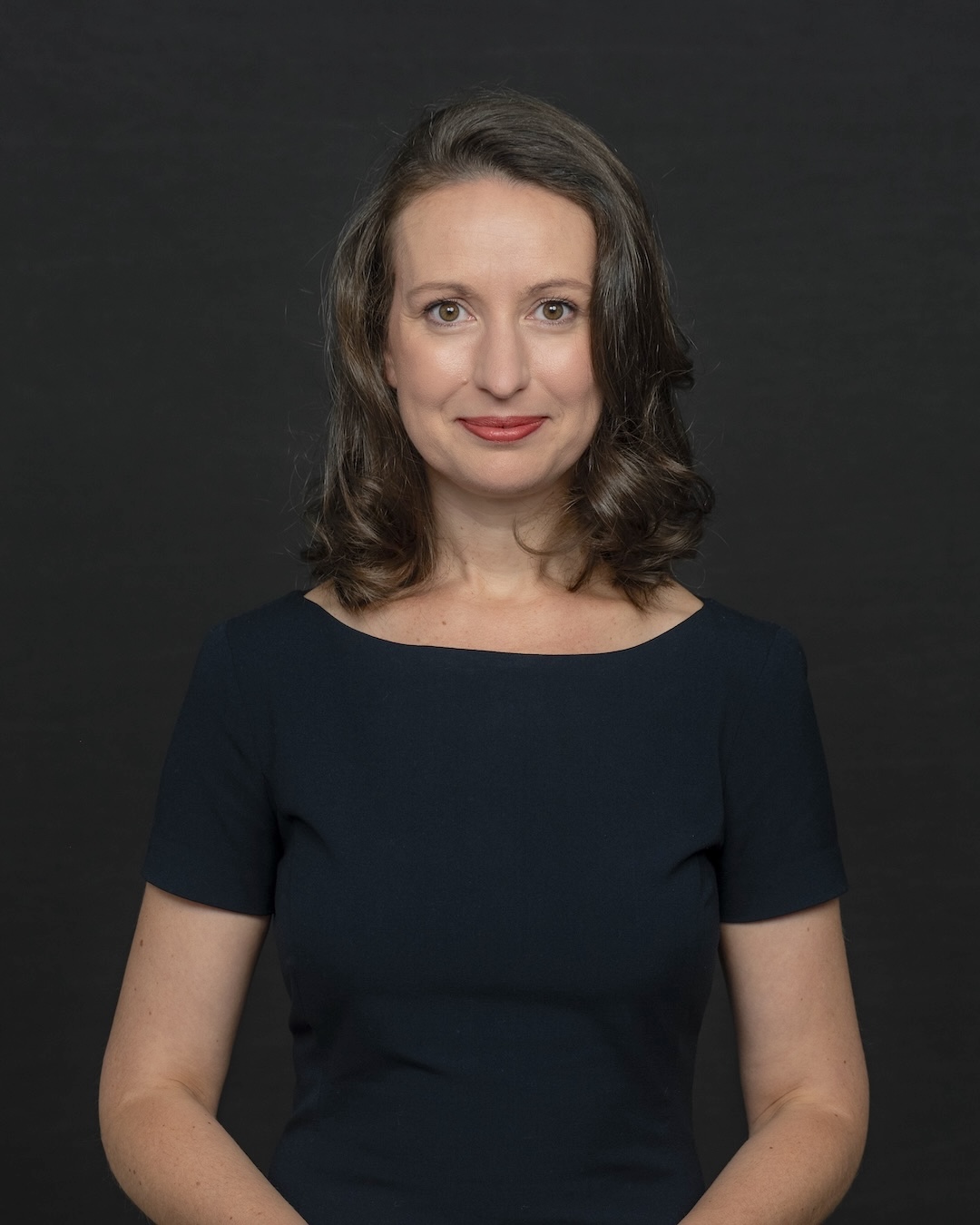
Yasmine Riechers joined Sennheiser Group in 2015, coming aboard to help develop Sennheiser Greater China, first as Director of Operations and later as Country Manager. In the early 2020s, she returned to Germany to head the Sennheiser Group’s Corporate Development Office. In March 2024, Riechers was named CEO of Georg Neumann GmbH.
Mix sat down with Riechers in January at the NAMM Show, then continued the discussion in the months that followed to explore her thoughts on legacy, adaptability and the excitement of what’s coming next.
Mix: You have an extensive background in technology and business; how and when did you get your start in pro audio?
Riechers: My academic background is in international business, but I was always drawn to the intersection of business and technology. Early in my career, I deliberately complemented my studies with hands-on experience through internships that exposed me to industrial environments and global operations.
My entry into the product business happened quite organically. A defining moment came when I was given the opportunity to help establish a production facility in China. What began as close involvement during the project phase quickly expanded into full operational responsibility. That experience gave me a very practical understanding of manufacturing processes, scalability and global supply chains.
• Discover more pro audio news—get a free Mix SmartBrief subscription!
I then joined Sennheiser in 2015, a step that was both professional and personal. Having grown up near Hanover, Sennheiser was always part of my environment, and my family has longstanding ties to the company. Bringing together that personal connection with my passion for technology, products and brand-building felt like a natural choice—and it continues to shape how I lead today.
How did your years in China help to shape (or expand) your approach in developing a global business strategy?
My time in China was one of the most formative phases of my career. It gave me firsthand exposure to one of the world’s most dynamic and fast-moving markets and fundamentally shaped how I think about global business, innovation and scale.
Working in that environment taught me the importance of speed, adaptability and local relevance. In Europe, we often approach strategy with long planning cycles, whereas in China, market dynamics can shift within months. That experience helped me develop a much more agile and entrepreneurial mindset.
I was deeply involved in expansion projects, production development and cross-functional collaboration between global and local teams. One key learning was that successful global strategies cannot simply be exported from headquarters—they must be adapted to regional customer needs, cultural expectations and market realities.
China also showed me the value of integrated ecosystems. Technology, manufacturing, digital platforms and customer engagement are far more interconnected there, and that strongly influences how I think about future-ready business models today.
These experiences continue to shape my leadership approach at Neumann. Whether we are developing new product ecosystems, entering growth markets or strengthening global brand positioning, I try to balance long-term strategy with the flexibility to move quickly and stay close to the customer.
Now that Sennheiser USA has relocated to Nashville, are there plans to expand or otherwise modify Neumann’s U.S. presence?
This is not simply a relocation of offices—it is a deliberate step toward being closer to the creative heart of the professional audio industry in the U.S. Nashville is a global hub for artists, producers, engineers and studios, and proximity to that community truly matters.
When I visited in 2024, I was struck by the energy, connectivity and creative spirit of the city. It immediately felt like the right home for us. Being present where music and content are created every day allows us to listen more closely, deepen relationships and better understand evolving workflows. Our ambition goes beyond showcasing individual products; it is about being part of the creative community. You will see us placing greater emphasis on education, partnerships and direct engagement with creators and engineers.
How do you take a long-running, worldwide, gold-standard of a brand, one that is often associated with a single product category, into a world now dominated by software and AI?
This is one of the most important strategic questions for any legacy brand today, and I actually see it as a unique opportunity. The strength of Neumann lies in the trust and credibility we have built over nearly a century. We were there at the very beginning of professional audio, developing the first commercially available condenser microphone.
But even then, Neumann was never only about microphones. Georg Neumann’s vision was broader: He wanted to make sound last. At the time, that required microphones, cutting lathes, amplifiers and mixing desks. Today, the tools have evolved, but the mission remains exactly the same.
Modern creative workflows are no longer defined by isolated hardware. They are connected ecosystems that bring together hardware, software, immersive audio and, increasingly, AI-supported workflows. Our strategy is not about leaving our heritage behind, but about translating our legacy of precision, innovation and trust into the technologies shaping today’s creative world.
The challenge for any heritage brand is to evolve without losing authenticity. Our approach is to innovate from a position of authenticity— carrying forward what Neumann stands for and applying it to the future of audio production.
Can you expand on the idea of a full production ecosystem?
Enabling workflows has always been central to Neumann, because making sound last is ultimately what the brand stands for. In the past, professional recording was defined by large studios and fixed installations. Today, creativity is far more fluid. An artist might begin an immersive mix in a studio with a full 7.1.4 KH monitoring setup, then continue working on the same project from a hotel room using an MT 48 interface, NDH headphones and our RIME software.
Technology should adapt to creators—not the other way around—and enabling that flexibility is core to our strategy.
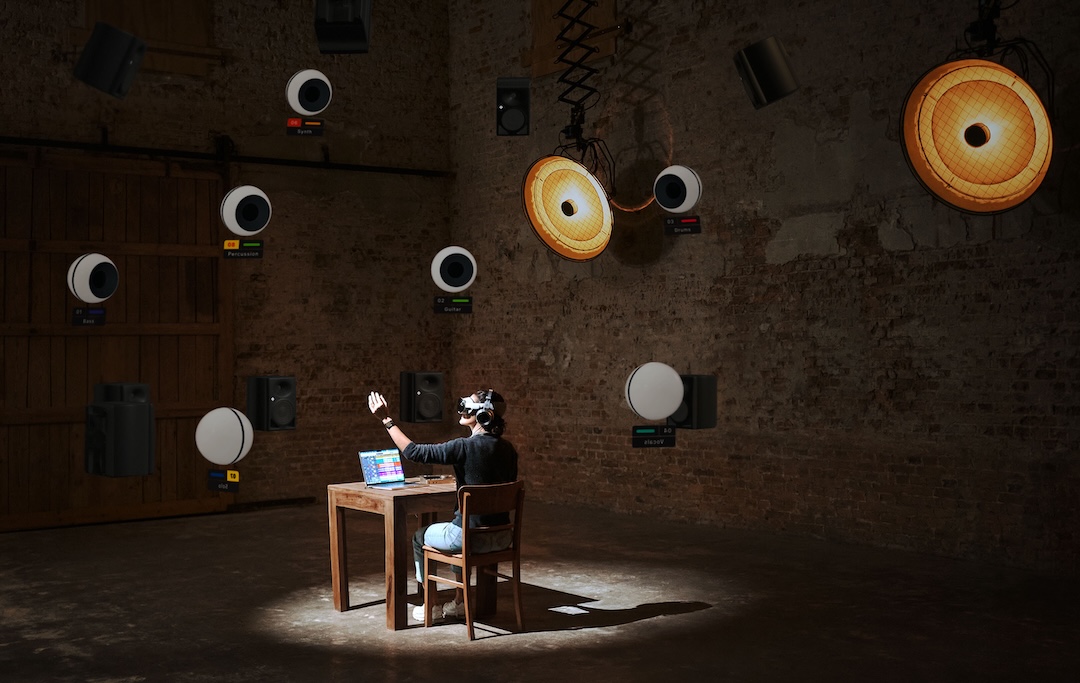
This is also why we explore new platforms and workflows. Our audio spatial positioning app, Virtual Immersive Studio (VIS), developed for Apple Vision Pro, is a great example. I often describe it as our “concept car” for the industry, because it demonstrates what immersive workflows could look like when technology becomes intuitive and almost disappears into the creative process.
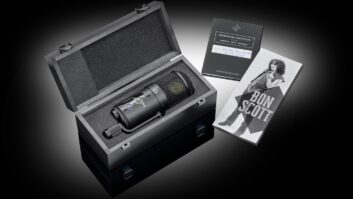
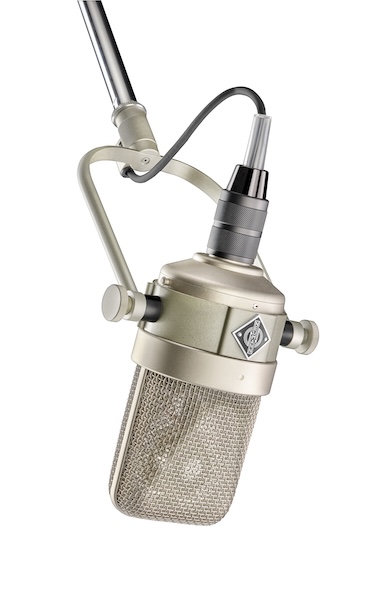
At the same time, we remain deeply rooted in craftsmanship. Shortly after launching the Vision Pro app, we reissued the legendary M 50 microphone from the 1950s. That balance— heritage and innovation—defines Neumann.
Where do you see the best opportunities to grow the Neumann portfolio over the next 5 to 10 years?
The next decade is about evolving Neumann from a product brand into a true workflow standard. Our biggest opportunities lie in connected workflows—particularly in areas such as AoIP, immersive audio, software integration and emerging creator segments. The industry is clearly moving away from standalone products toward integrated ecosystems, and this aligns naturally with our strategy.
Geographically, we continue to see strong growth potential in Asia, while further expanding our presence in key creative hubs such as the U.K. and the U.S. At the same time, the next generation of creators works fluidly across professional studios, home environments and mobile setups. This is driving demand for tools that combine uncompromising audio quality with simplicity, flexibility and portability.
Our goal is not just to be relevant in five or ten years, but to build a brand that endures for the next hundred.
Your two-and-a-half-year anniversary as CEO is coming up. What have you learned? What would you consider some of the early successes?
The past two years have been incredibly exciting— and also very humbling. What I have learned most is how powerful the combination of strong heritage and a genuine willingness to evolve can be.
One early success I am particularly proud of is the clarity we have achieved around our end-toend strategy. We have moved beyond thinking in individual products and strengthened Neumann as a workflow brand—while remaining deeply connected to our craftsmanship and engineering roots.