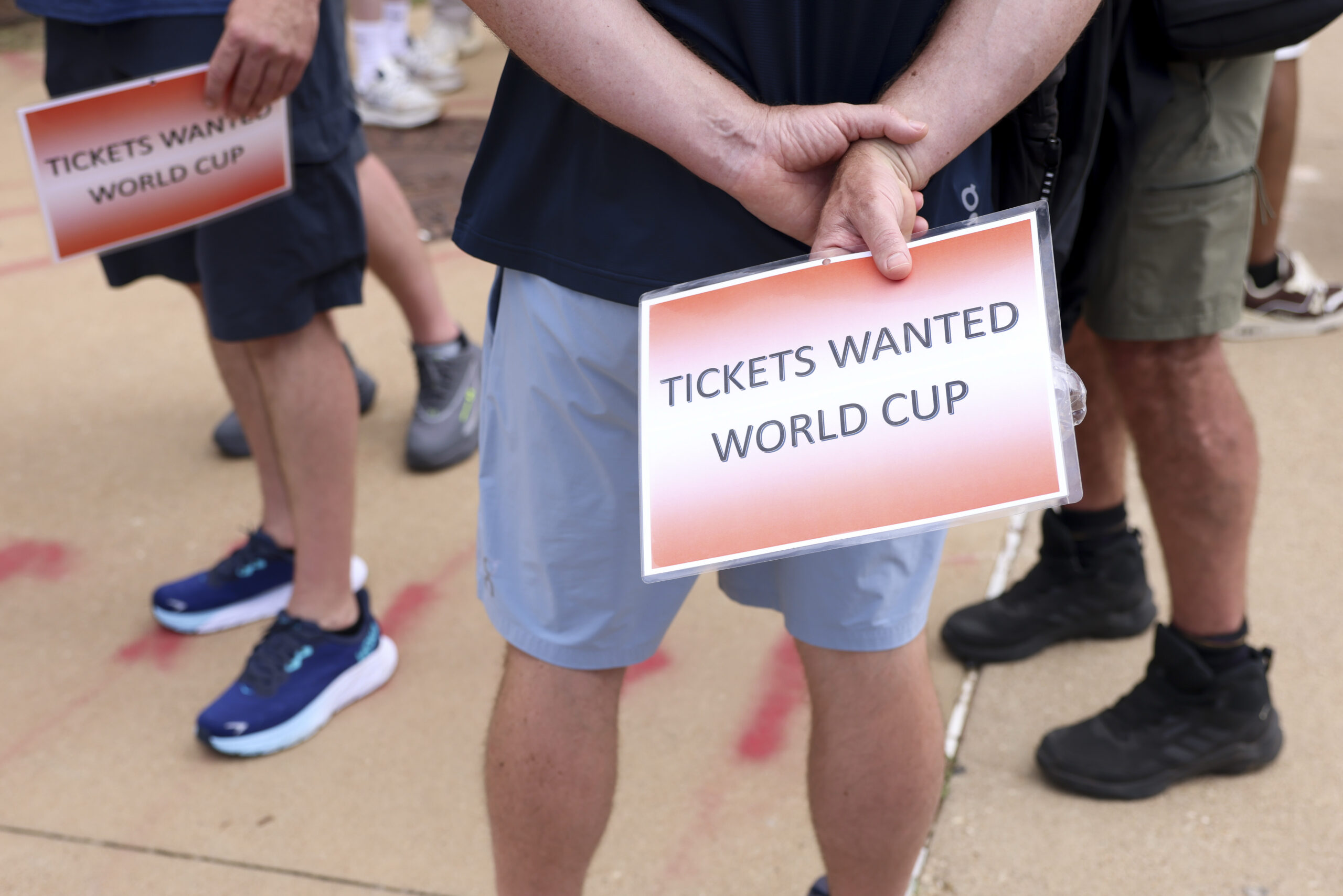
New York, NY (July 10, 2026)—Summertime concert season typically brings mega-tours and festivals to music fans across the U.S., but this summer the hottest ticket isn’t for Bruno Mars or Ariana Grande. It’s for the FIFA World Cup 2026—and, unfortunately, sports fans are suffering some of the same ticket scams as concertgoers, with fraudulent and speculative, or “ghost tickets,” flooding the secondary market.
The secondary ticket market refers to tickets that are offered for resale after they have been purchased from a “primary” ticket source such as a venue box office or authorized ticket vendor such as Ticketmaster. StubHub is a good example of a secondary ticket marketplace.
A “ghost ticket” is a ticket listed on the secondary marketplace by a seller or broker who doesn’t actually have possession of the ticket, and in some cases, the seller offers the ticket for sale before the real tickets become available. The goal of the seller is to find a buyer, collect payment, and then purchase a ticket for less than they were paid by the buyer, pocketing the difference as profit.
This practice, also known as speculative ticketing, is a roll of the dice by the seller and often results in the seller canceling the transaction when they can’t secure a ticket with the desired profit margin. The potential buyer may indeed receive a refund for the ticket price, but in the case of an event that spans wide geography like the World Cup, many fans are also purchasing airline tickets and hotel rooms—and those may not be refundable.
• 2026 Emmy Award Nominations for Sound and Music Announced
Compounding the issue is the price gouging typically enacted by airlines and hotel chains, whereby they charge a premium for their services in times of high demand. Ever try to book an airline ticket for a flight from New York to Florida during Spring Break? That ticket is easily two to three times more expensive than it is at other times of the year (but that’s a topic for another blog). The news for sports (and concert) fans gets worse because ghost tickets are often canceled by the seller at the last minute, at which point the buyer has already paid for flights and hotel rooms.
Last month, the National Independent Venue Association (NIVA) and Fan Alliance (national organizations that represent independent live entertainment venues, promoters and fans) sent a joint letter to the U.S. House of Representatives and Senate asking Congress to ban speculative tickets, restrict price gouging for tickets sold on the secondary market, and impose strict fines for speculative ticketing, citing the 2022 Taylor Swift Eras Tour Ticketmaster debacle as a harbinger of exactly what is happening now with World Cup tickets and has long plagued the concert industry.
• Subscribe to Mix magazine and our daily SmartBrief newsletter for free!
Time will tell if (and when) these ticket reforms are implemented. The sad part is that some soccer fans who spent hundreds or even thousands of dollars for tickets to the World Cup may arrive at a venue only to be turned away because their tickets aren’t legit.