Remote recording has been around nearly as long as recording, going back to the first Edison cylinders and later on direct-to-disc sessions, typically from a location such as a large symphonic hall or big band performance venue. The gear required was big, bulky, noisy and generated a lot of heat. And it wasn’t really “remote recording,” so much as it was remote recording, mixing, mastering and, ultimately, distribution. Everything was live—no editing or remixing back in the studio.
Over the next century, studio recording and remote recording evolved along essentially parallel paths, both having a foundation rooted in radio broadcast techniques and technologies. By the mid-1930s, as it became more common for radio stations to send reporters out into the field, the music industry started to see the emergence of “field recordists,” who would venture out into “remote” areas, often with one microphone and a mono tape recorder, to capture musical performances that had rarely been heard outside of their immediate geographic area.
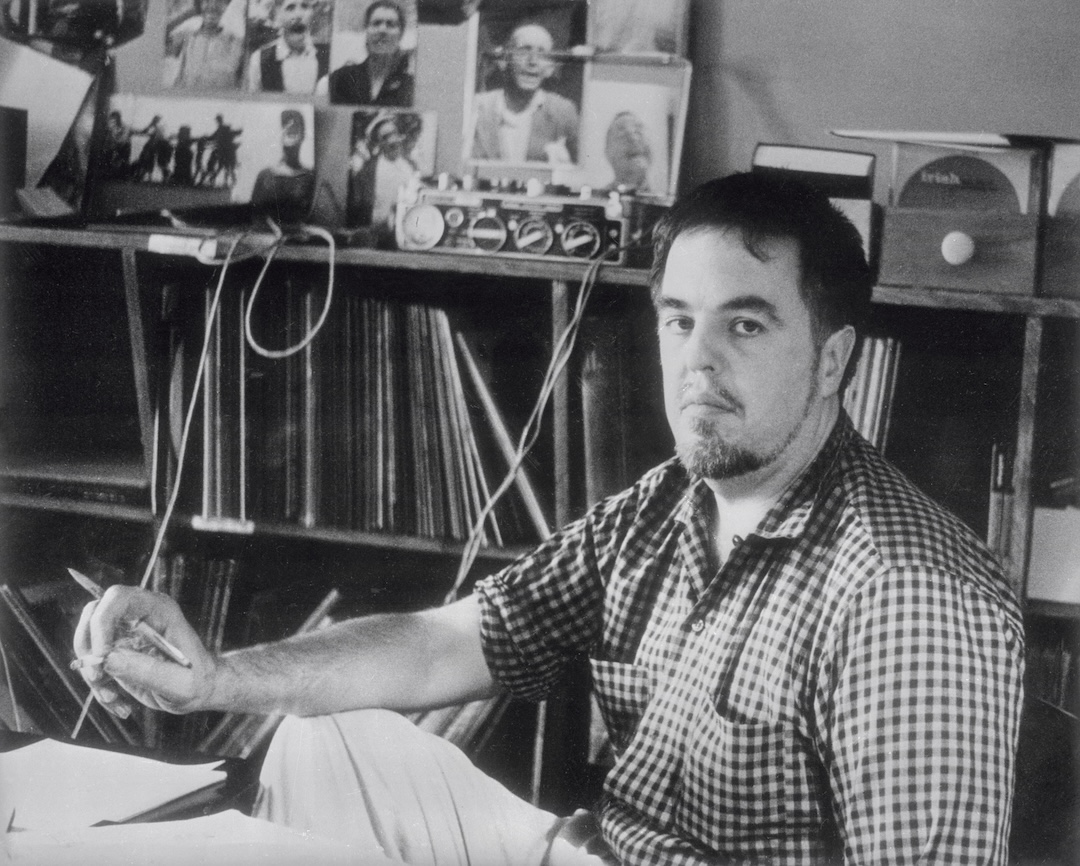
Alan Lomax was perhaps the most notable of these early remote recording engineers. Backed by the Library of Congress, which in the 1930s funded a program to collect oral histories and musical performances to document America’s rich folklore and folk song traditions, Lomax traveled the American South and recorded thousands of songs—from the prisoners in Louisiana’s Angola prison to the Alabama sharecroppers picking cotton, recorded from the back of a truck right there in the fields.
He “discovered” the great Robert Johnson, and he captured the first known recordings of Woody Guthrie, Lead Belly, Muddy Waters and countless others. It was remote recording at its most raw, and the tracks still hold up to this day as a testament to the magic of capturing a musical performance in the moment.
Then, by the mid-1960s, with the development of multitrack tape machines, the large, modern, independent commercial recording studio began to emerge. At the same time, the first high-quality, multichannel trucks dedicated strictly to audio recording appeared. Within a decade, they were everywhere, and they played a key role in the music industry.

These were the Golden Days of Remote Recording. Trucks were being parked outside of French castles for months at a time to track the Stones or Zeppelin. Other trucks were being put on boats and shipped to Japan to record at Budokan. David Hewitt was tracking some of the biggest-selling albums of all time out of his Black Truck on the East Coast. Guy Charbonneau was rolling up and down the West Coast in Le Mobile. And there were many, many others.
By the late 1990s, again, in parallel with the trend in recording studios, the large, dedicated audio trucks started to slowly disappear. A handful of them remain, for sure, including Le Mobile, and they are necessary to handle large-scale productions such as the Grammy Awards or Oscars. Sports and entertainment drive the remote production industry, and they still require trucks every Saturday at every college football stadium. Same for the Masters or the VMAs. But what about the rest of the remote recording industry?
Again, the same technological advances that changed the studio industry also changed the remote recording industry, leading to a handful of “major players” and a huge number—basically everyone else—of those who do it on their own. It’s become much, much simpler to capture quality recordings on location, whether in a handheld stereo recorder or through a laptop to the side of the stage. Bands can record every night for little cost and little effort, and then play the tracks back for soundcheck the next night.
It’s almost as if “remote recording” is morphing into “remote production,” bringing us full circle back to the days of direct-to-disc on site, with tracking, mixing, mastering and distribution all-in-one.
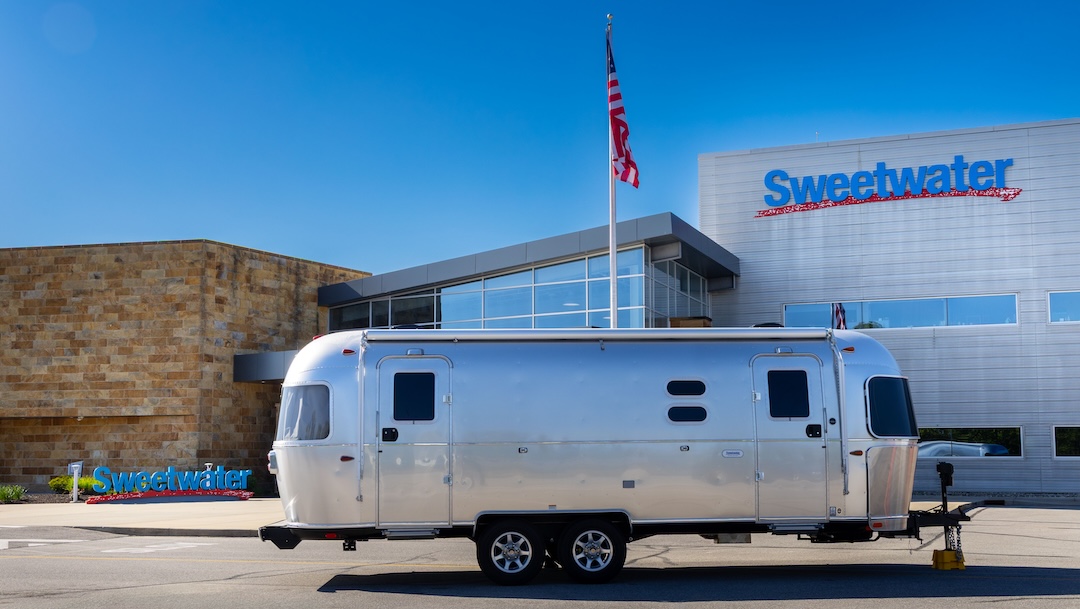
This became more clear in my talks this month with Mike Picotte of Sweetwater and Mark Hornsby of Russ Berger Design Group about development of the Sweetwater Airstream. They were looking to build something in tribute to the company’s founding, and along the way, they discovered an untapped market: the high-end mobile production studio, with full immersive capability. In it, you can track, mix and master, with companion video capabilities and satellite hookup for direct streaming.
The applications for such a vehicle seem unlimited across all audio markets—everything from corporate events to houses of worship, education to broadcast, music production to post. Though it is not likely to pull up at the Grammys and send a live feed back to CBS, it would seem a natural fit alongside a second stage at Coachella.
The very term “remote” can mean a lot of different things in this post-pandemic world. It can mean a simple visual connection with screen sharing and it can apply to sending in parts from different locations for an album project. But the true meaning of “remote” involves going out to where the people are and then sending the result out to the world. It’s now a remote production, not just a remote recording.
—Tom Kenny, Co-Editor