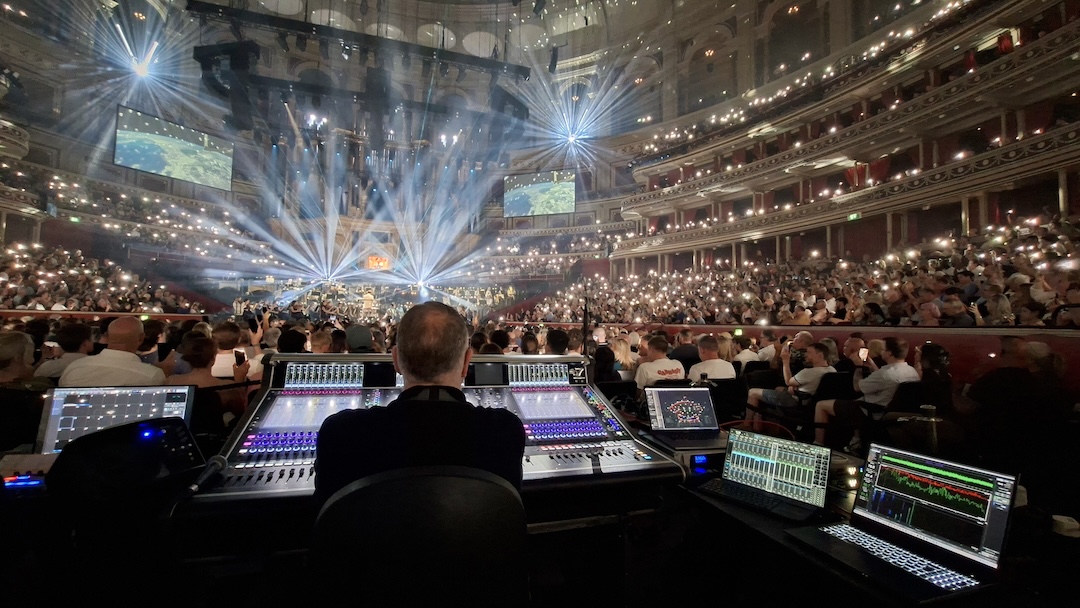
London, UK (August 19, 2026)—Mixing the music of John Williams and Hans Zimmer live would be challenging to any classical music engineer, but add the imposing surroundings of London’s Royal Albert Hall and then mix it in spatial audio inside the in-the-round venue, and it seems almost insurmountable. That’s the challenge FOH engineer Phil Wright recently faced with the venue’s The Music of Zimmer vs Williams show, which was the flagship date in the show’s annual program of events.
As might be inferred from the show name, the event saw the scores of the two legendary Hollywood composers performed with gusto by the London Concert Orchestra, pitting seven French horns, six trumpets, five trombones, two tubas and a massive five-man percussion section to the task.
• Discover more great stories—get a free Mix SmartBrief subscription!
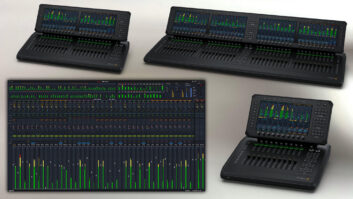
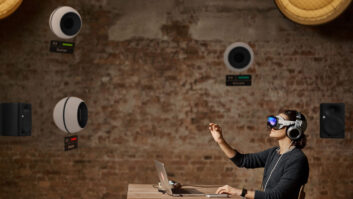
To tackle the spatial aspect, Wright incorporated a 64-channel TiMax SoundHub into the audio set-up, driving each component of the Hall’s PA individually. With object-based mixing, it was then possible to expand the score into the available space while also building a spatialization tuned for every seat in the house.
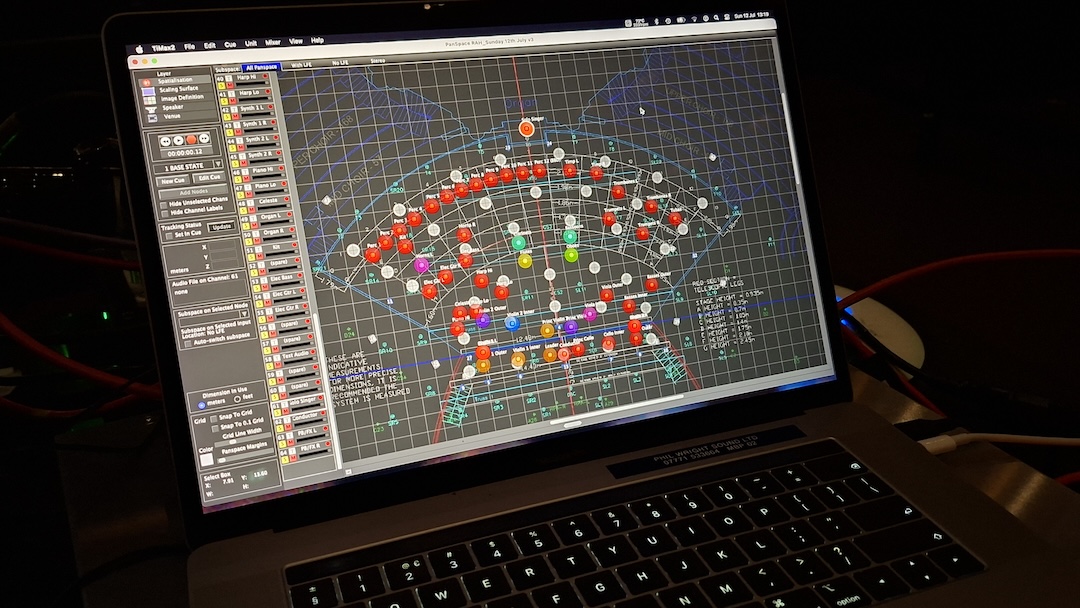
Speaker positions and angles were imported into SoundHub ahead of the event and precise level and delay times were calculated from each of the Hall’s loudspeakers to each source on stage. On the day of the show, the matrix dropped straight into the sound system in place of the existing delay times, then a brief sound check was used to refine things before the orchestra started up at 11am.
The inputs were grouped to mirror the orchestra’s layout, with the string and woodwind families split into objects matching their positions on stage and everything else running one-for-one, for a system of 64 inputs and 40 outputs.
• Record Where Robert Johnson Made Music History
“The imaging held together as you went up the building, not just across it,” said Dan Higgott, TiMax Product and Software Manager. “The perception of listening to a sound system disappears. You focus entirely on the performance, with no impression of amplified sound, because SoundHub’s delay panning aligns every source wavefront back to the musician on stage.”
Phil Wright was unequivocal about the outcome: “I can honestly say that was the best sounding show I’ve ever mixed in that room. The level of clarity and detail in every orchestral instrument, coupled with the accurate localization of sources, made for an absolutely magical experience out front.”